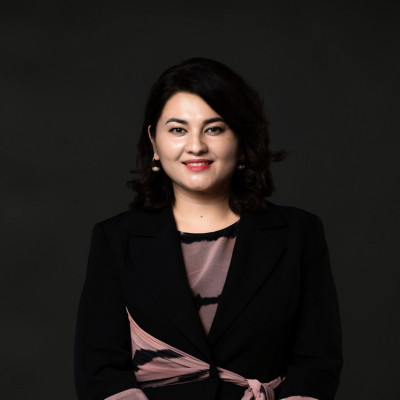
Djurayeva Madina Baxromovna
Tashkent State University of Economics
About
I am Madina Djuraeva, an educator, researcher, CELTA-certified English teacher, and Fulbright alumna passionate about expanding global educational opportunities. With over 15 years of experience in higher education, I work at the intersection of language education, assessment, and academic communication. Currently teaching at Tashkent State University of Economics, I mentor students and help them develop the skills and confidence to succeed in international academic environments.Sessions
Poster Presentation Rethinking Final Exams: Exploring Online Assessment to Reduce Cheating and Support Critical Thinking more
Sun, Jun 14, 10:10-11:05 Asia/Tokyo
Paper-based final exams remain common in many higher-education EFL contexts of Uzbekistan, yet they are often associated with high levels of cheating, extensive marking time, and frequent post-exam grade disputes. These challenges raise concerns about fairness, teacher workload, and the limited opportunities for students to demonstrate meaningful language use. This poster presents an ongoing classroom-based project that explores the use of online final exams as an alternative to traditional paper-based assessment. The main aim is to examine whether online assessment can reduce opportunities for cheating, promote critical thinking, and make the final exam process more manageable for teachers. The project is situated in a university EFL context where final exams are being redesigned from paper-based tests to online, open-ended, task-based assessments. Final exam tasks focus on real-life issues and require students to analyze problems, express opinions, and propose solutions using English. Exams are conducted in an open-book format to discourage memorization. An analytic rubric covering task achievement, critical thinking, language use, and organization is shared with students in advance. AI-supported tools assist with feedback and language analysis, while teachers retain control over final grading. The poster discusses early observations, challenges, and practical implications for CALL-based final assessment in higher education.