Cancelled
- This session has been cancelled
Presentation Mobile Assisted Language Learning (MALL)
Cancelled Is More Always Better? A Deep Dive into How App Mode Choice Impacts EFL Listening Comprehension and Recognition
This study investigated the differential effects of mobile-assisted listening modalities—Unimodal (n=35) practicing listening comprehension MCQ exercises only, Bimodal (n=35) practicing caption/transcript tracking activities and/or full/partial transcript generation (dictation or fill-in-the-blank), and Multimodal (n=37) —on listening comprehension and recognition of Egyptian EFL sophomores. Employing a mixed-methods design, the research analyzed pre/posttest scores, using Two-way Mixed ANOVA and Linear Regression, complemented by inductive thematic analysis of perception surveys. Two parallel forms of modified Cambridge B1 PET listening pre/posttests were used (adding 6 fill-in-the-blank items on the audio in Part 4 to assess listening recognition, along with those already included in Part 3). Results indicated that all modalities were comparably effective in enhancing listening comprehension. However, significant performance variations emerged in listening recognition, with both the Unimodal and Multimodal groups surpassing the Bimodal group. This suggests that applications emphasizing comprehension exercises may be more effective in developing lower-level cognitive skills, such as listening recognition, than those focused solely on word recognition. Furthermore, listening recognition was a weak predictor of overall comprehension. Participant feedback reinforced these findings, advocating for the integration of personalized, gamified, and interactive features (e.g., shadowing, speed control) and a broader range of exercise formats beyond traditional multiple-choice and gap-filling.
-
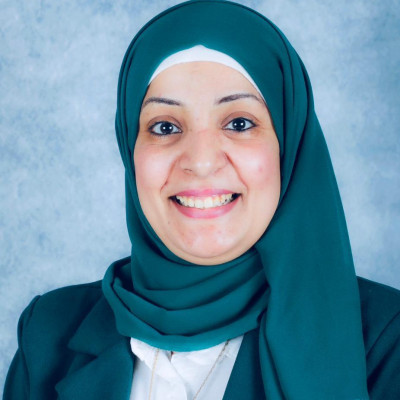
Marwa Hafour is an Associate Professor of TEFL, College of Education, Curriculum and Instruction Department, Tanta University, Egypt and an Assistant Professor of TEFL, College of Arts and Applied Sciences, Education Department, Dhofar University, Oman. She has been a visiting scholar at Michigan State University and Florida State University, US. In her research, she is interested in technology-enhanced language learning, telecollaborative learning, learning analytics, intercultural competence, digital media production and interaction in EFL, AI in TEFL, and mobile-assisted language learning. Her papers are published in world-class Q1 Scopus/Web of Science journals like Computer-assisted Language Learning, Language Learning and Technology, ReCALL, JALT CALL, IJCALT, and CALL-EJ.